The Perks of Building vs Buying an Established Home
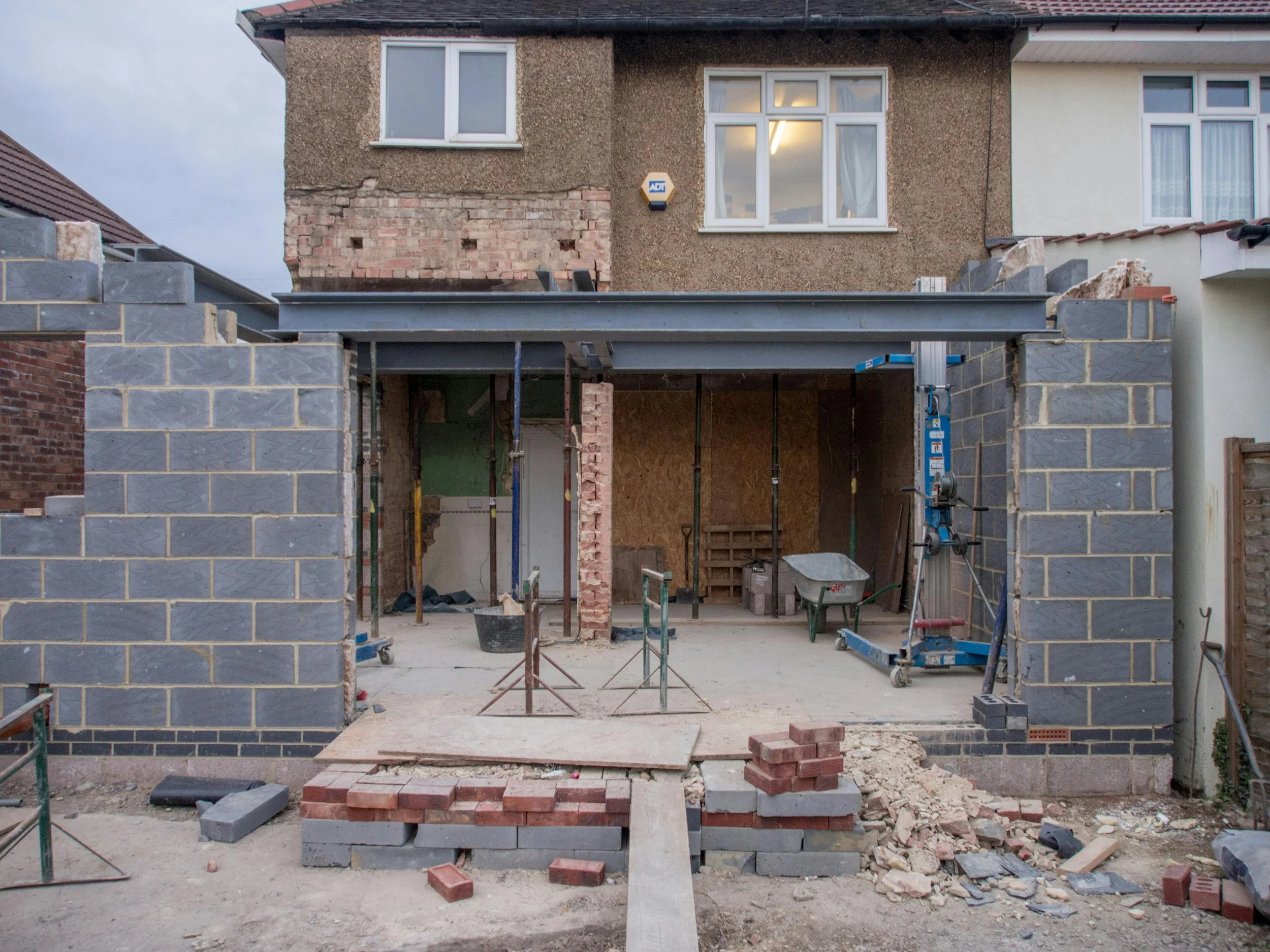
Chances are you know someone who’s building right now — and there’s a reason for it. More Australians are choosing to build rather than buy established homes. But why?
While building gives you full control over design and finishes, the real driver for many first home buyers comes down to numbers: government incentives and lending structure.
Government Incentives Can Make a Big Difference
One of the biggest financial advantages of building is access to state-based incentives.
For example, in Western Australia, eligible first home buyers may receive significant stamp duty concessions when purchasing vacant land to build on. In some cases, there is reduced stamp duty — and for properties (land and construction) under certain thresholds (currently $750,000), buyers may pay no stamp duty at all.
There’s also the First Home Owner Grant (FHOG), which provides a $10,000 lump sum payment to eligible buyers building or purchasing a newly constructed home. Property price caps and eligibility criteria apply, but if you qualify, this can mean thousands saved upfront.
Compared to buying an established home — where stamp duty is typically calculated on the full purchase price — building can offer a clear cost advantage for first home buyers.
How Construction Loans Work
From a lending perspective, construction loans are structured differently to standard home loans.
Funds are released in stages (known as progress payments) as the build moves through key milestones — such as slab down, plate height, lock-up and completion. Because of this staged process, you only pay interest on the amount that has been drawn down at each stage.
This means during the early phases of construction, your repayments are lower compared to buying an established home where you’re paying interest on the full loan amount from day one.
It can ease cash flow in the short term — but it’s important to plan for repayments to increase as more funds are released.
But Is Building Always Better?
Not necessarily.
Building comes with its own considerations:
Your borrowing power still needs to support the full land + construction cost.
Timelines can blow out due to weather, material shortages or builder delays.
If you’re renting while building, you may be juggling rent and loan repayments at the same time.
Variations during the build can increase your overall cost.
For some buyers, the flexibility and incentives make building a clear winner. For others, buying established offers certainty, faster move-in timelines and less stress.
The Bottom Line
There’s no one-size-fits-all answer. The right choice depends on your financial position, borrowing capacity, lifestyle needs and risk comfort.
If you’re weighing up whether to build or buy established — especially here in WA — it’s worth running the numbers properly before committing. The right structure could save you thousands.
Reach out to us and we’ll help you map out both scenarios so you can make a confident decision.