Costs People Forget When Building a Home (That Can Blow Your Budget)
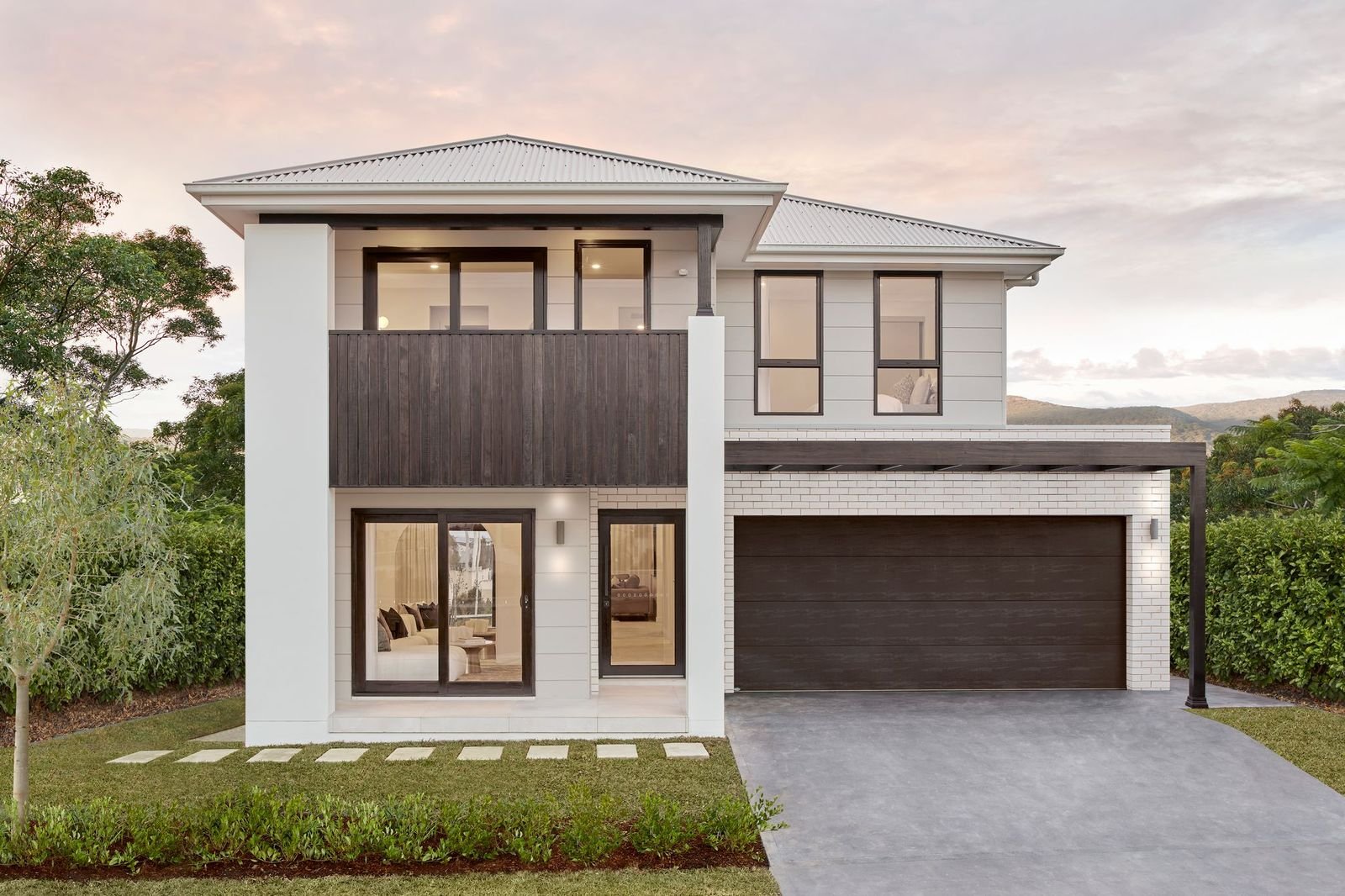
Building a home can be an exciting process. You get to choose the layout, finishes, and design to suit exactly what you want. But one of the biggest surprises for many people building for the first time is that the builder’s contract price isn’t always the final cost.
There are several expenses that are often overlooked when planning a construction budget, and if they aren’t factored in early, they can quickly add tens of thousands of dollars to the total cost of your build.
Here are four costs people commonly forget when building a home.
1. Site Costs
A block of land might look perfectly flat and straightforward, but what’s happening underneath the surface can significantly impact the cost of your build.
Site costs refer to the work required to prepare the land before construction begins. This can include things like soil classification, dealing with rock, removing debris, or managing sloping blocks.
These costs are often estimated initially but may not be fully confirmed until the builder conducts detailed site testing. Depending on the block, site costs can add thousands to the build price.
2. Builder Upgrades and Variations
Display homes are designed to showcase a builder’s best finishes and upgrades. While they look impressive, many of the features people see in display homes are not included in the standard build price.
Common upgrades include higher ceilings, premium flooring, stone benchtops, upgraded cabinetry, extra lighting, and additional power points.
It’s not unusual for upgrades and variations to increase a build price by $20,000 to $50,000 or more depending on the choices made. Understanding what is included in the standard specification and what counts as an upgrade can help prevent budget surprises later in the process.
3. Items That Aren’t Included in the Build
Most building contracts only cover the construction of the home itself. Items such as landscaping, dividing fences, driveways, paving, and outdoor finishing touches are often not included.
Other commonly forgotten costs include window furnishings, letterboxes, clotheslines, and sometimes even basic appliances depending on the builder’s package.
These finishing elements are essential to making the home fully functional and can easily add another $10,000 to $25,000 or more depending on the size of the property and the level of finishes chosen.
4. Holding Costs During Construction
Construction can take many months, and during that time you may still need to cover costs such as rent, loan interest, council rates, and utilities.
With construction loans, lenders typically release funds to the builder in stages as the build progresses. This means you usually only pay interest on the portion of the loan that has been drawn down so far, but these payments still need to be budgeted for alongside any existing living expenses.
Delays in construction can also extend these holding costs, which is why it’s important to plan ahead financially.
Planning Your Budget Before You Build
Building a home can still be a fantastic way to enter the property market or create a property tailored to your needs. However, understanding the full cost of building is essential before signing a contract.
Taking the time to account for site costs, upgrades, finishing items, and holding costs can help ensure your project stays within budget and avoids unexpected financial pressure.
Speaking with a mortgage broker early in the process can also help you understand your borrowing capacity and ensure your construction loan is structured correctly for the entire build.